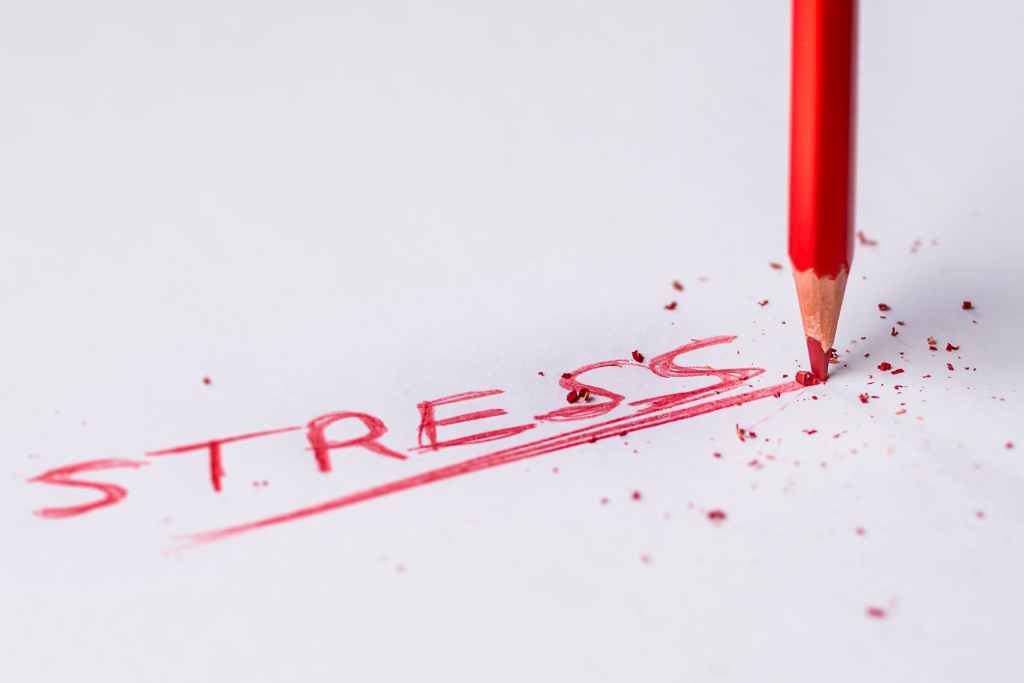
“Anxiety disorders are the most common mental illness in the U.S., affecting 40 million adults in the United States age 18 and older, or 18.1% of the population every year.”
Anxiety and Depression Association of America.
It is completely normal to feel stressed or anxious occasionally, but there are plenty of things you can do to feel a little better. Remember every now and then there is a distinction between feeling stressed and having constant anxiety. If you are starting to take a toll on stress or anxiety and are looking for ways to deal with anxiety, consider talking to a mental health professional.
Read on to get some tips for managing anxiety and stress.
1. Speak to someone you know, about how you are doing.
Speaking to someone about how you feel will take the burden off your shoulders. Ensure that you trust the guy, and then figure out what you want to tell them.
2. Focus on the present:
Have you ever found that feeling stressed or anxious is often the same as dealing with the past or worrying about the future? It can help you feel a little more comfortable just by keeping your attention on the present moment. You may be amazed to learn that there are many ways to do that, even if you don’t like to meditate. This can really help tackle stress and anxiety.
3. Find some time out for yourself:
A completely packed life would make many people feel stressed out. Ensure you settle into at least one aspect that you like to do every day, whether it is a sport, a Netflix show, or a talk with your friend. It can be a benefit if you schedule a fun experience into your day, so you don’t feel guilty about doing anything else. If you feel overwhelmed and ask how you can cope or manage stress and anxiety, don’t be afraid to say ‘ NO’ to the stuff that only contributes to your discomfort.
4. Track your feelings:
We cannot sometimes figure out what makes us nervous or depressed. Getting your thoughts down will help you figure out what is the real reason. Once you have achieved this, you will strive to question the negative thoughts and alter them. To do so, you can use a notebook or an app.
5. Challenge your emotions:
If your mind is full of negative thoughts, then you will feel anxious or depressed. Although our feelings sound valid, it doesn’t imply that they necessarily represent what’s going on. Attempt to write down what you believe, and then include evidence that supports or disagrees with every feeling. You may be shocked at how many of your emotions are over-exaggerated or not true.
6. Exercise often, feed healthy, and sleep:
Exercising reduces stress, eliminates anxiety, and enhances mindset. As well as the great news is: you don’t need to run a marathon to get the bonuses. To make a difference requires only 30 minutes of exercise per day. Both food and sleep are very important to your health. A healthy diet will make you feel healthier and stronger and will allow you to cope better with stress, whereas adequate sleep will have a positive effect on your attitude and levels of stress.
7. Accept your fears and face it:
If you always avoid situations that cause you nervousness, this could deter you from doing something that you like and want to do. It sounds strange, but it can reduce your fear when confronted with the things that make you nervous. You will check if the scenario is as severe as you would anticipate, and learn how to manage your concerns. However, this is best to do with a professional’s guidance so it doesn’t get too packed on for you. They can provide you with more ideas to help control your anxiety and stress.


 Your First Wealth Is Health